 Design
Best Laptops for Interior Designers and 3D Rendering in 2026
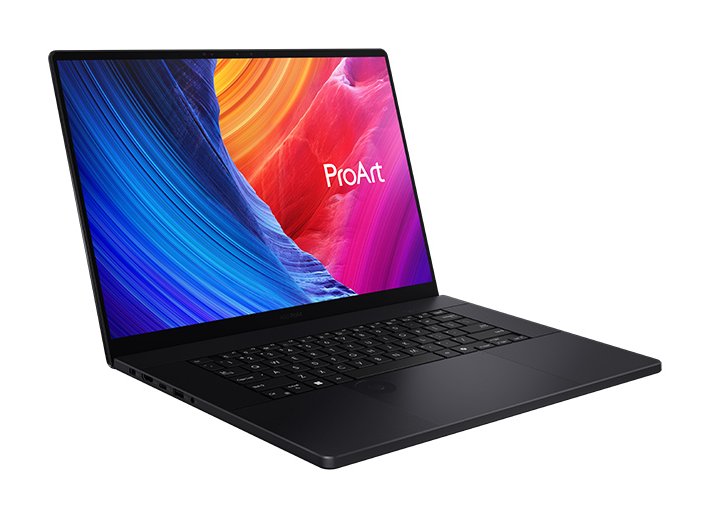
Interior designers need a laptop that can run 3D modelling and rendering software, hold large project files and show colour accurately in front of a client. Rendering leans on the graphics processor and memory, while site visits and client meetings favour weight and battery life. The five laptops below cover the range from a light all-rounder to a heavy mobile workstation.
How we chose
We picked five current laptops from Apple, ASUS, Dell and Lenovo, each listed on the manufacturer’s own website as read on 2026-10-14. All specs and prices below come only from those official pages. We have not hands-on tested any of these laptops. Prices are in US dollars from the US store where the manufacturer publishes one; they change by configuration, so we show the starting price the page gave. Where a page published no price, we say “Not published” rather than use retailers.
| Model | Processor and graphics | Display | Weight | Price if published |
|---|---|---|---|---|
| Apple MacBook Pro 14-inch | Apple M5, M5 Pro or M5 Max | 14.2-inch Liquid Retina XDR | 1.55 kg (M5) | From $1,999 |
| Apple MacBook Air 13-inch | Apple M5 | 13.6-inch LED-backlit IPS, 500 nits | 1.23 kg | From $1,299 |
| ASUS ProArt P16 (H7606) | Ryzen AI 9 processors, up to GeForce RTX 5090 Laptop GPU | 16-inch OLED, touch | 1.95 kg | Not published |
| Dell Pro Max 16 Plus | Intel Core Ultra 7 or 9 HX, NVIDIA RTX PRO Blackwell | 16-inch 1920x1200, 500 nits (OLED option) | From 2.55 kg | From $3,405 |
| Lenovo ThinkPad P1 Gen 8 | Intel Core Ultra H, NVIDIA RTX PRO Blackwell | 16-inch, up to 3.2K Tandem OLED | From 1.84 kg | $5,429.00 list |
1. Apple MacBook Pro 14-inch
Our pick. It offers the widest range of published memory and graphics options in a 1.55 kg body (M5 version), with a 14.2-inch display Apple rates at 1000 nits sustained and 1600 nits peak for HDR content, and it has a clear starting price. This is a judgement from spec sheets, not from testing. Check that the rendering and CAD tools you rely on run on macOS before choosing it, because the other four laptops here run Windows.
Apple lists the M5 (10-core CPU, 10-core GPU, 16GB, 24GB or 32GB unified memory), the M5 Pro and the M5 Max, with up to 128GB of memory on the M5 Max with the 40-core GPU. The display is 3024 by 1964 pixels with wide colour (P3) and ProMotion up to 120Hz, and a nano-texture option. Apple lists up to 24 hours of video streaming. Apple’s US store starts the 14-inch at $1,999 for the M5, and at $2,499 for the M5 Pro.
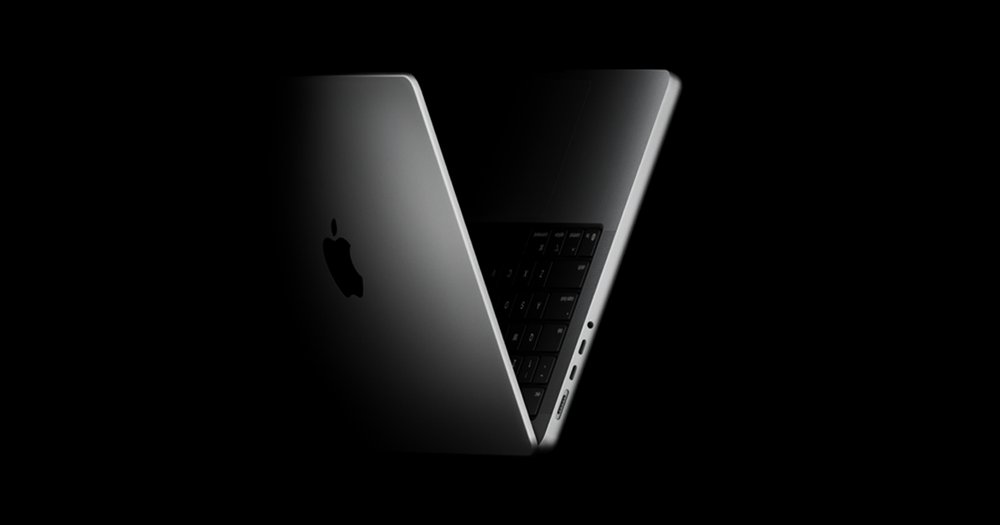 Image: Apple (official website)
2. Apple MacBook Air 13-inch
Apple lists the 13-inch MacBook Air with the M5 chip (10-core CPU, 8-core or 10-core GPU) and 16GB of unified memory, configurable to 24GB or 32GB. It weighs 1.23 kg and is 0.44 inch (1.13 cm) thick.
The 13.6-inch display is 2560 by 1664 pixels at 500 nits with wide colour (P3). Apple lists up to 18 hours of video streaming. Prices on Apple’s US store start at $1,299; a 15-inch version is also listed, from $1,499. It is the lightest and cheapest laptop in this list, and the one with the least graphics headroom on paper.
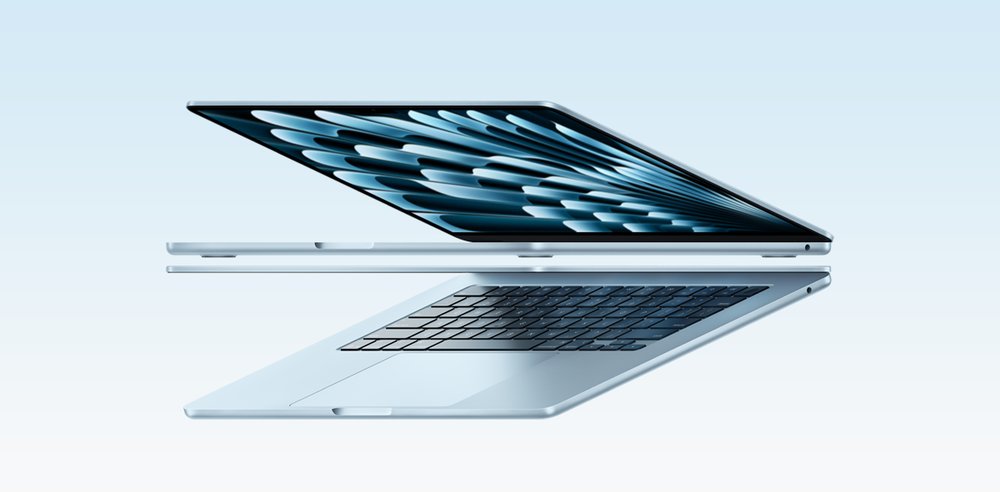 Image: Apple (official website)
3. ASUS ProArt P16 (H7606)
ASUS positions the ProArt P16 as a creator laptop and says it delivers the power for CAD, 3D modeling and rendering. Its specification page lists AMD Ryzen AI 9 processors (HX 370, 365 and 465 variants) and graphics from GeForce RTX 4050 up to the RTX 5090 Laptop GPU with 24GB GDDR7, depending on model.
The 16-inch OLED touch display is listed at 16:10 with 100% DCI-P3 and PANTONE Validation; the top option is 4K (3840 x 2400) at 120Hz with 1600 nits HDR peak brightness. Memory is on board LPDDR5X, 16GB to 64GB depending on model. It has a 90WHrs battery and weighs 1.95 kg. ASUS’s global page publishes no price, and available models vary by region.
Image: ASUS (official website)
4. Dell Pro Max 16 Plus
Dell sells the Pro Max 16 Plus as a workstation with Intel Core Ultra 5, 7 or 9 processors, next-gen NVIDIA graphics and an optional UHD OLED display. The preset configurations on the page use the Core Ultra 7 265HX with an NVIDIA RTX PRO 2000 Blackwell 8GB GPU, 32GB DDR5 and a 512GB SSD at $5,698.00, or the Core Ultra 9 285HX with an RTX PRO 3000 Blackwell, 64GB DDR5 and a 1TB SSD at $8,121.00. A build-your-own option starts at $3,405.00.
The base display listed is 16-inch WUXGA (1920x1200), 500 nits, 120Hz. Ports include two Thunderbolt 5, one Thunderbolt 4, HDMI 2.1 and 2.5Gbps ethernet. Dell lists a starting weight of 2.55 kg, so it is the heaviest option here. Dell also says Pro Max PCs are tested and certified (ISV certification) for reliability.
 Image: Dell (official website)
5. Lenovo ThinkPad P1 Gen 8
Lenovo’s own specification reference lists the ThinkPad P1 Gen 8 with Intel Core Ultra 5, 7 or 9 H-series processors, Intel Arc integrated graphics or NVIDIA RTX PRO 1000 or 2000 Blackwell graphics with 8GB GDDR7, and up to 64GB of upgradeable LPCAMM2 memory. Lenovo’s US page lists up to the Core Ultra 9 285H with vPro.
The 16-inch 16:10 display options run from 1920x1200 IPS up to 3.2K (3200x2000) Tandem OLED at 120Hz, with 100% DCI-P3 on the 4K IPS and OLED panels and X-Rite factory colour calibration listed. It has a 90Wh battery and starts at 1.84 kg. The Lenovo US page shows a list price of $5,429.00, with a promotional price shown at the time of reading.
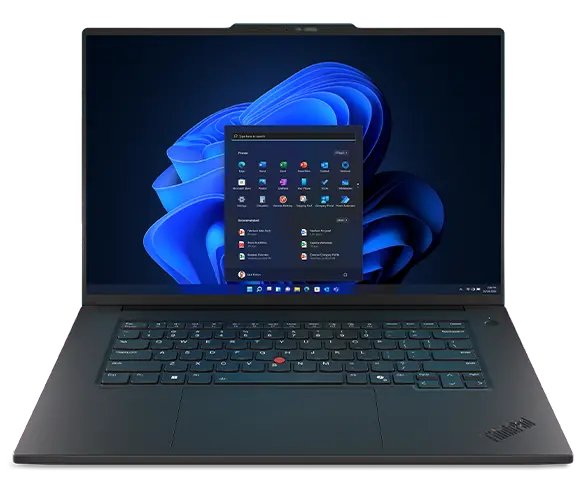 Image: Lenovo (official website)