 Design
Best 360 Cameras and Room Scanners for Interior Designers in 2026
Interior designers use 360 cameras and room scanners to document a space once and measure it later: a quick panorama of a site visit, a walkable 3D model for a client, or a point cloud that a floor plan or model can be traced from. The tools range from a pocket 360 camera that captures photos, to a tripod scanner that records measured 3D data. They suit different jobs, so the right choice depends on whether you need pictures or measurements.
How we chose
We picked five current products from well-known makers, each listed on the manufacturer’s own website as read on 2026-10-14. All specs below are based on manufacturer-published specifications. We have not hands-on tested any of these devices. Prices are shown only where the manufacturer’s page publishes one; otherwise the table says “Not published” rather than using a retailer’s price. The pages differ in how much they publish, so some columns are not comparable across every row.
| Model | Type | Key published spec | Weight | Price if published |
|---|---|---|---|---|
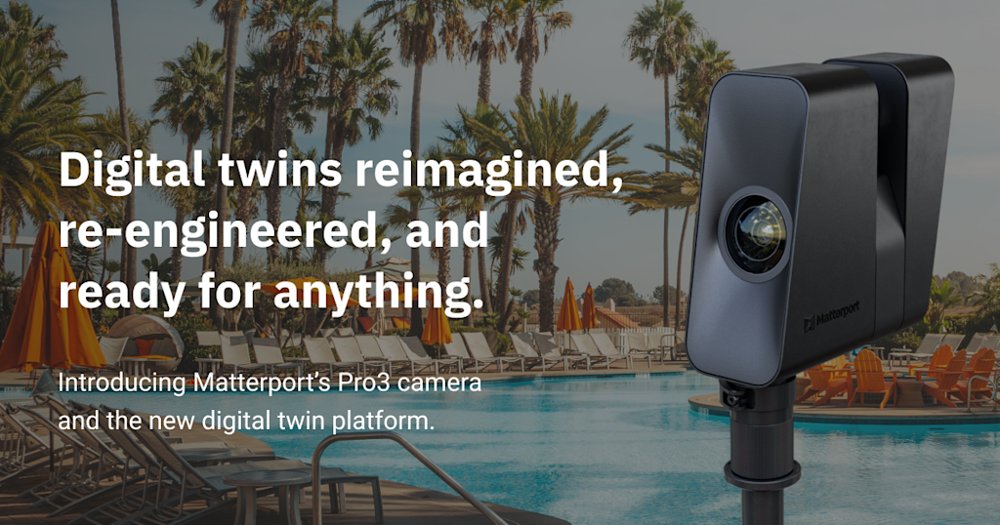
| Matterport Pro3 | Tripod LiDAR 3D camera | Up to 100 m range (E57 only), ±20 mm at 10 m | 2.2 kg | Not published |
| Leica BLK360 | Tripod imaging laser scanner | 680,000 points per second, 20 s full-dome scan with photospheres | 850 g with batteries | Not published |
| Ricoh THETA X | Handheld 360 camera | 11K stills (about 60 MP), 2.25 in touch screen | About 170 g | US$599.95 |
| Insta360 X5 | Handheld 360 camera | About 72 MP stills, 8K 360° video, 15 m waterproof | 200 g | Not published |
| Apple iPhone 17 Pro | Phone with LiDAR Scanner | LiDAR Scanner listed, 6.3 in display | 206 g | Not published |
1. Matterport Pro3
Our pick. It is the only product here whose page publishes both a measuring range and an accuracy figure for 3D capture: up to 100 m and ±20 mm at 10 m, with automatic 3D data registration. For designers who want a measured, walkable digital twin of a project, that is the most relevant spec set. This is a judgement from spec sheets, not from testing, and no price is published to weigh it against.
Matterport describes Pro3 as a LiDAR camera with a custom 20 MP sensor, a 360° by 295° field of view and a 0.5 m minimum operating range. It lists a 2.2 kg weight, an IP43 rating, an operating temperature of 0 °C to 40 °C and more than 220 scans per battery charge. It connects to the Matterport Capture app over Wi-Fi. The 100 m figure is noted as available only with E57 export.
Image: Matterport (official website)
2. Leica BLK360
Leica Geosystems describes the BLK360 as an imaging laser scanner that captures a full scan with spherical images in 20 seconds. It offers four scan settings (7, 13, 30 or 75 seconds) at 680,000 points per second, and it has four 13-megapixel cameras with 5-bracket HDR imaging.
It measures 155 x 80 mm and weighs 850 g with batteries. Leica lists USB-C and Wi-Fi data transfer, automatic pre-registration of scans with its Visual Inertial System, the free BLK Live app for iOS and Android, and export to E57, LGS and RCP files. The page we read does not publish range or accuracy figures, so we cannot compare it with the Pro3 on those.
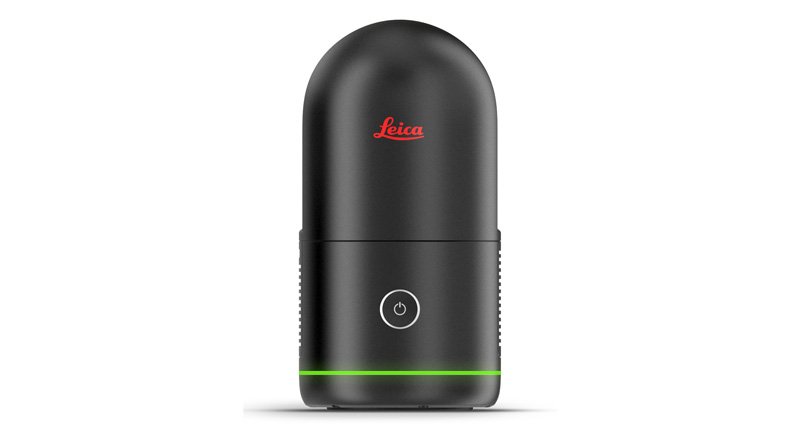 Image: Leica Geosystems (official website)
3. Ricoh THETA X
Ricoh Imaging lists the THETA X with 11K still images (11008 x 5504, about 60 MP) and a 5.5K option. It has a 2.25 in touch LCD, about 46 GB of internal storage plus a microSDXC slot, and a replaceable 1350 mAh battery.
It weighs about 170 g with battery and card, and Ricoh lists Wi-Fi, Bluetooth 5.0, GPS and USB Type-C. Ricoh’s US page lists the price as US$599.95. This is a camera for panoramic documentation, not a measuring device.
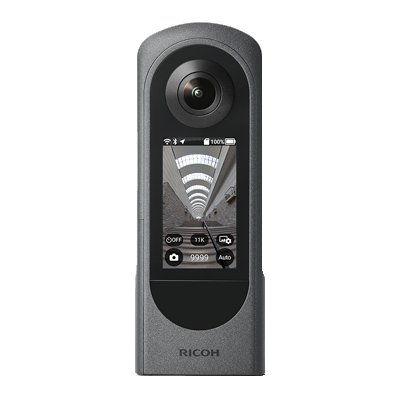 Image: Ricoh Imaging (official website)
4. Insta360 X5
Insta360 lists the X5 with about 72 MP still photos (11904 x 5952) and 360° video up to 8K at 30 fps. It has a 1/1.28 in sensor, is waterproof to 15 m and has a 2400 mAh battery.
It weighs 200 g. The specifications page we read does not show a price, so none is given here. Like the THETA X, it captures panoramas rather than measured 3D data.
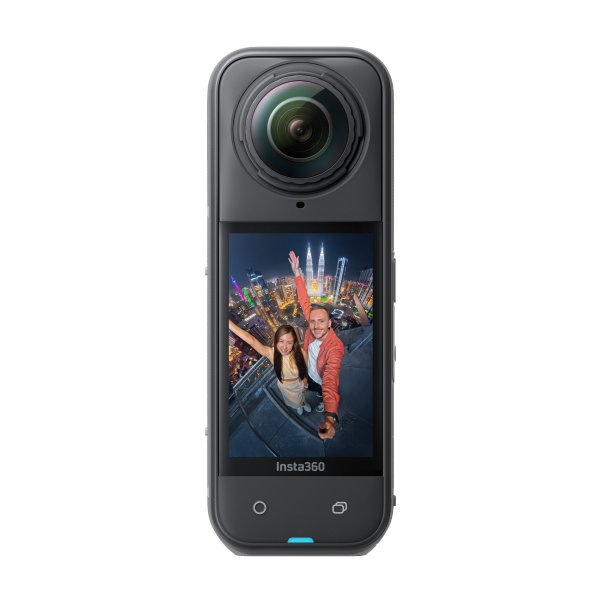 Image: Insta360 (official website)
5. Apple iPhone 17 Pro
Apple’s technical specifications for the iPhone 17 Pro and 17 Pro Max list a LiDAR Scanner among the sensors, a 6.3 in OLED display (2622 x 1206 pixels) and the A19 Pro chip. The iPhone 17 Pro weighs 206 g.
The page we read does not describe room scanning or name scanning apps, so what you can capture depends on the app you choose. No price is shown on the specification page. It is the option here you may already carry.
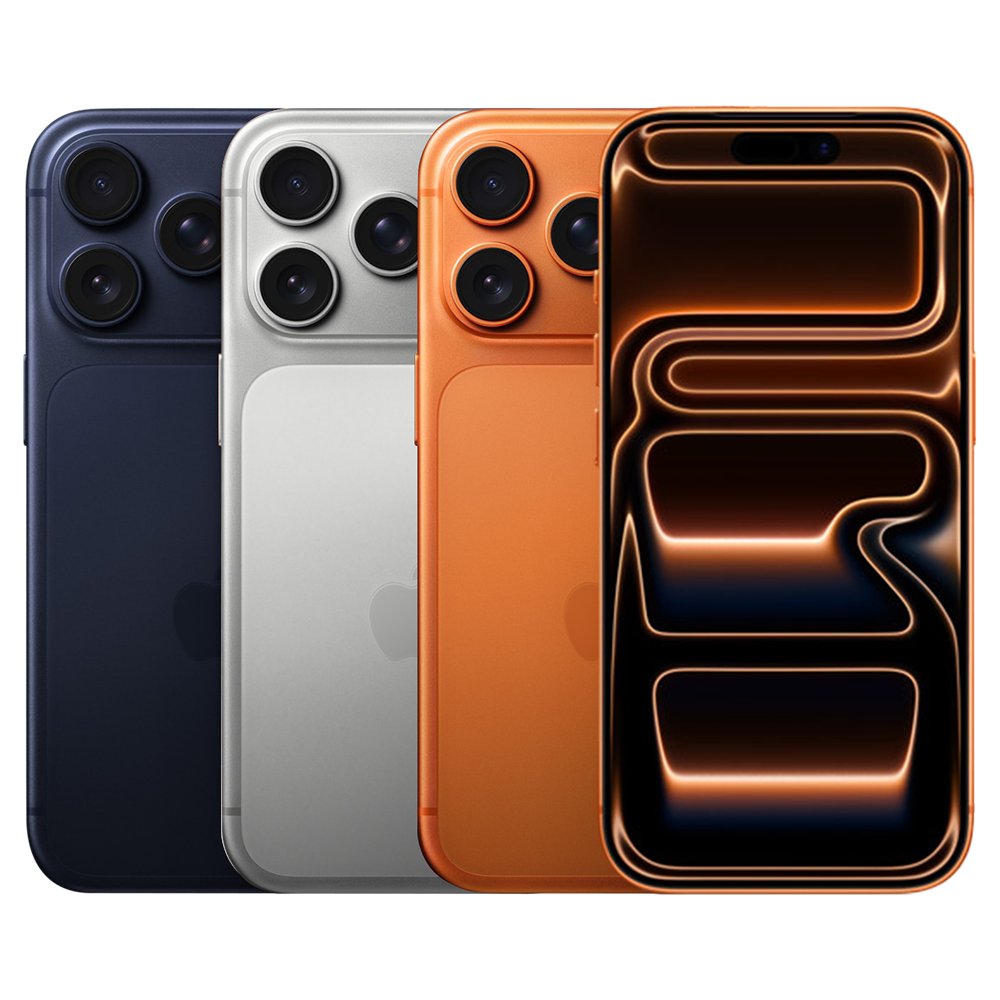 Image: Apple (official website)